


Strengthening Support Systems
Rachel Jacob
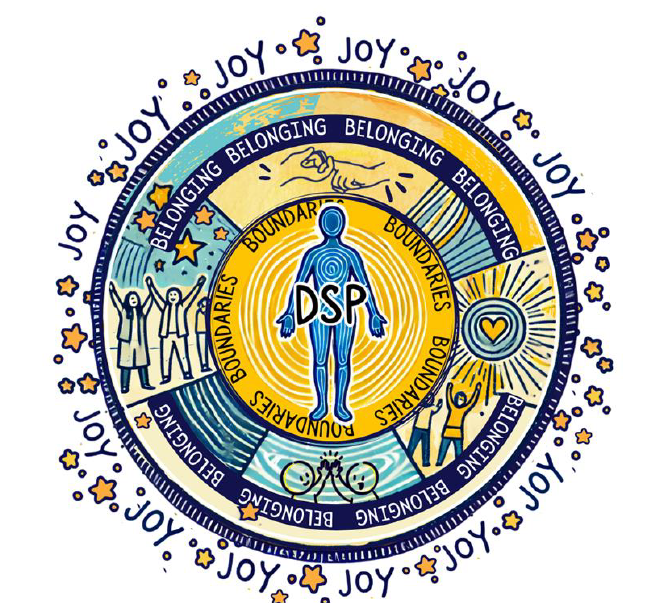
Supporting individuals with developmental disabilities and mental health challenges requires a compassionate, informed approach that prioritizes resilience, effective communication, and community inclusion.
1. The Power of Trauma-Informed Care
Trauma-informed approaches are essential in direct support work. This issue highlights how understanding an individual’s past trauma can foster a more compassionate and effective support system. By prioritizing safety, trust, and empowerment, DSPs can build stronger, more resilient relationships with those they support.
2. Cultivating Emotional Resilience in Caregivers
Direct support work can be emotionally demanding. This issue provides strategies for DSPs to develop emotional resilience, including mindfulness, self-care, and peer support networks. When caregivers are well-supported, they can provide better care to others.
3. Enhancing Communication for Stronger Relationships
Effective communication is at the heart of quality support. Whether it’s through active listening, visual aids, or adaptive technology, this edition explores ways DSPs can enhance communication with individuals they serve, ensuring their needs and preferences are respected.
4. The Role of DSPs in Building Inclusive Communities
This issue underscores the importance of social inclusion and community engagement for individuals with disabilities. From advocating for accessibility to fostering friendships, DSPs play a critical role in ensuring everyone feels a sense of belonging.
By embracing trauma-informed care, fostering resilience, enhancing communication, and promoting inclusion, DSPs continue to make a meaningful difference in the lives of those they support.
